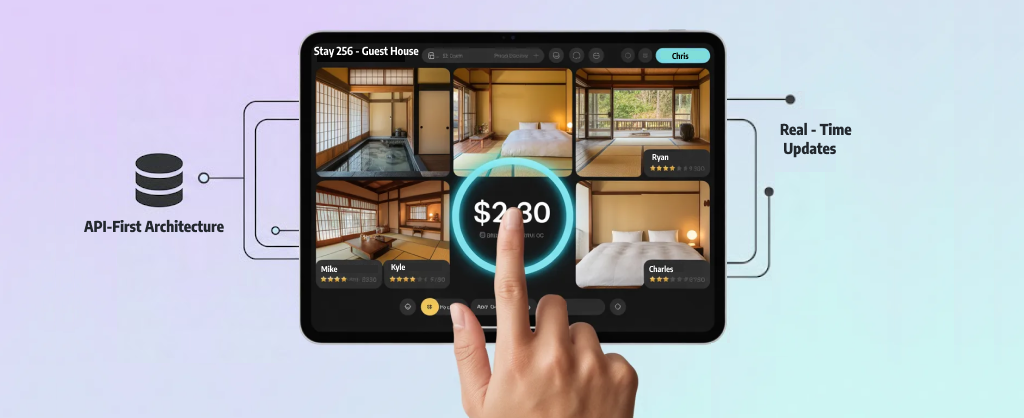
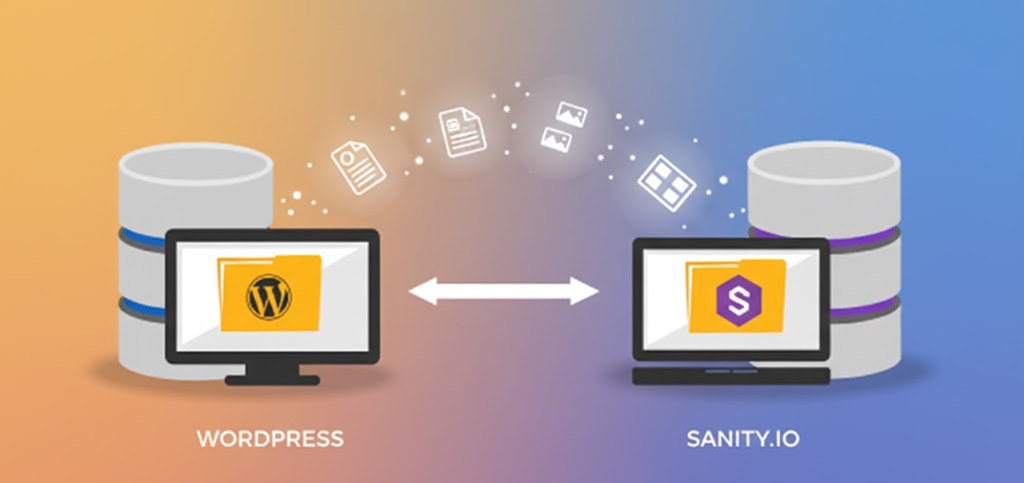
Many rental websites still sync API data into local databases, assuming it’s the safest way to manage listings. But this approach quickly creates hidden costs: bloated tables, stale pricing, and heavy server loads that slow down the user experience.
With the global vacation rental sector expected to reach $105.7 billion in revenue by 2025, accuracy and speed aren’t optional — they’re business‑critical. Outdated listings or unavailable rooms frustrate users and erode trust, while competitors offering real‑time updates win conversions.
An API first architecture, implemented through API integration services, solves this by bypassing database syncs. Filters are passed directly to the API, delivering live responses that keep data fresh, servers lean, and performance consistently high.
To understand why this approach is so effective, let’s break down what API‑first architecture really means and how it changes the rental website workflow.
What Is API First Architecture?
API first architecture is an approach where APIs form the foundation for how data is accessed and displayed, rather than relying on a locally synced database. Instead of storing rental data inside the site, the system fetches live information directly from the API whenever users interact.
This approach is especially effective for rental and travel booking websites, where prices and availability change constantly, and accuracy is critical. By pairing API first architecture with a WordPress rental plugin or a vacation rental plugin WordPress setup, teams ensure listings stay fresh, trustworthy, and free from the burden of database syncs.
How API First Architecture Works
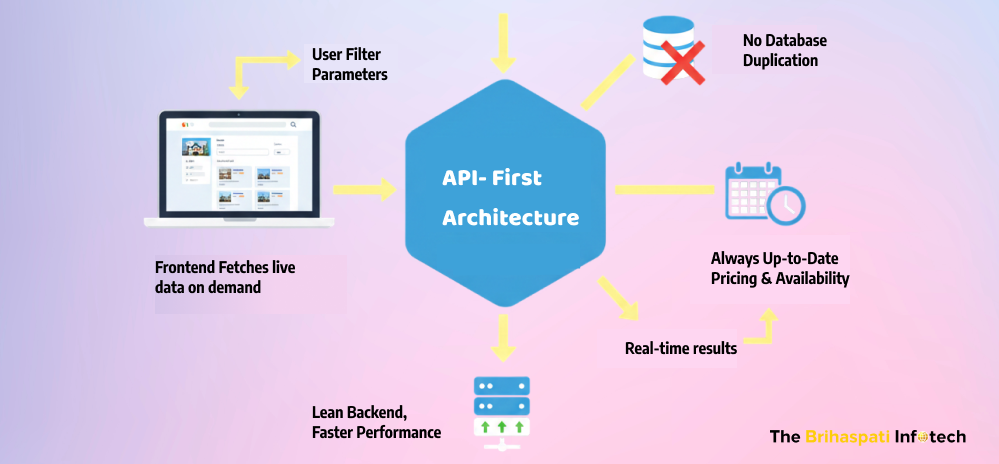
- APIs as the single source of truth: The rental management system’s API acts as the primary data source. Listings, pricing, and availability remain centralized, without duplication in the website’s database.
- Frontend fetches live data on demand: When users apply filters—such as dates, location, or number of guests—the frontend sends those parameters directly to the API, which responds with real‑time results.
- No database duplication: Unlike traditional setups that store rental data locally and rely on scheduled sync jobs, API first architecture keeps things lean by avoiding unnecessary database storage and reducing maintenance effort.
- Always up‑to‑date pricing and availability: Because data is retrieved in real time, users see accurate prices and current availability—helping prevent booking conflicts and building trust.
- Lean backend, faster performance: With fewer database operations and background sync processes, the backend stays lightweight, resulting in better performance and easier scalability.
Real‑World Example
In a WordPress rental platform, this workflow means no more bloated databases or stale listings. By integrating an API first architecture with a WordPress rental plugin, property managers deliver accurate results every time a user searches — boosting trust and conversions.
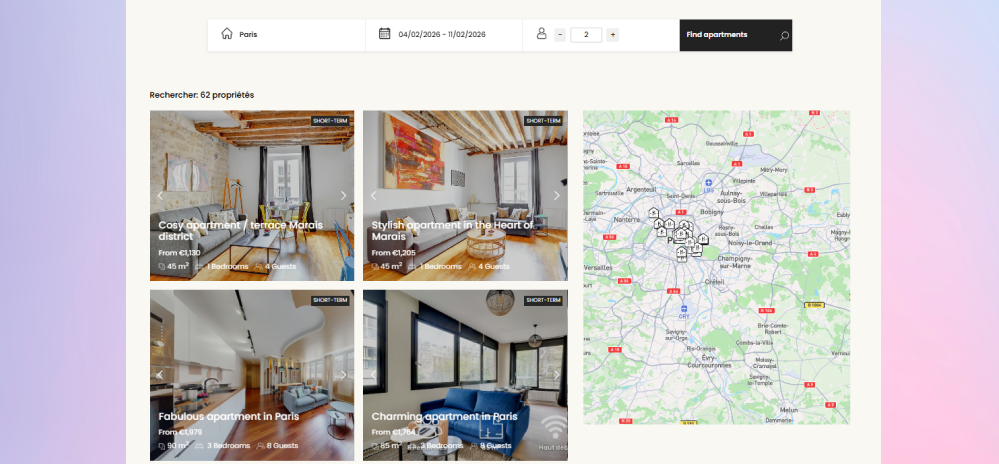
For a detailed walkthrough of the full WordPress rental website migration and feature implementation, see our full case study.
Why Real‑Time Data Matters for Rental Websites?
In rental and travel platforms, accuracy isn’t just a technical detail — it’s the foundation of trust. A single outdated listing or incorrect price can frustrate users, damage credibility, and send potential customers straight to competitors.
Why it matters:
- Accurate listings build confidence: Travelers expect availability and pricing to reflect reality. Real‑time data ensures users never encounter “ghost inventory” or misleading rates.
- Better user experience drives conversions: Smooth, reliable booking flows reduce friction. When users trust the information they see, they’re far more likely to complete a reservation.
- Competitive advantage in crowded markets: Platforms using API first architecture with a vacation rental plugin WordPress setup deliver instant updates, outperforming rivals stuck with slow sync cycles.
- Reduced support overhead: Fewer booking conflicts mean fewer customer complaints, saving time and resources for property managers.
For a deeper look at how modern travel platforms leverage real‑time accuracy, explore our guide on travel app development best practices.
What Are the Key Benefits of API First Architecture?
At its core, API first architecture removes the need for constant database syncs. Instead, the frontend communicates directly with the API, ensuring every interaction reflects live data. At The Brihaspati Infotech, we implement this approach to help rental platforms achieve faster performance, leaner infrastructure, and consistently accurate booking experiences.
To understand why this approach is transformative, let’s break down the key benefits of adopting an API first architecture for rental platforms.
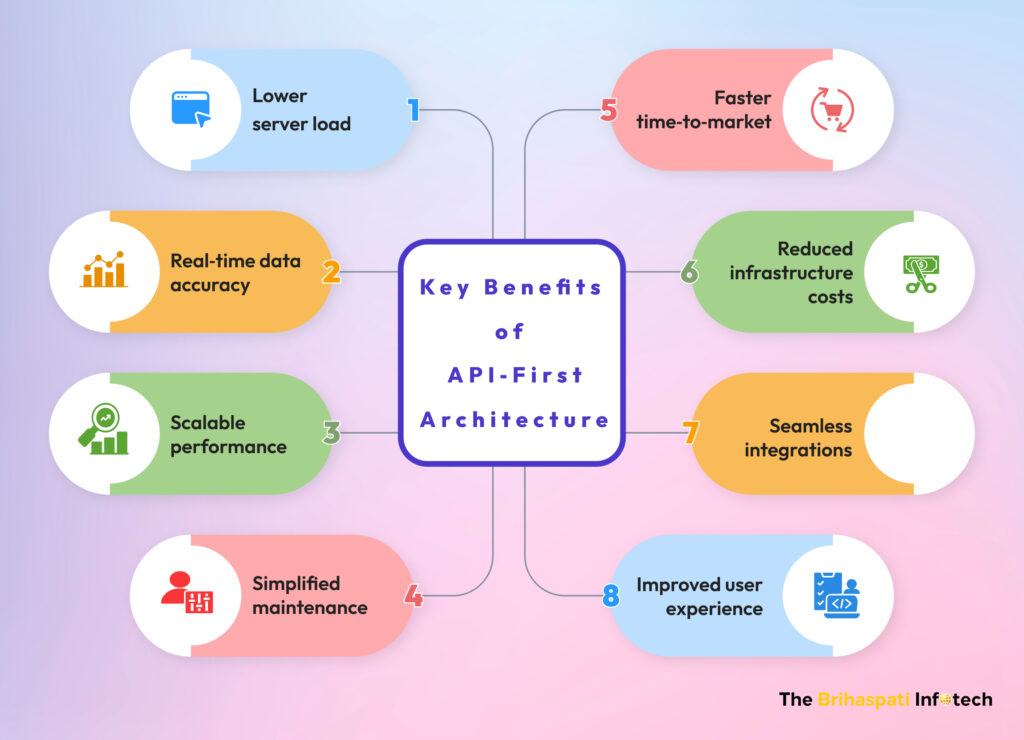
Lower server load
- Eliminates background sync jobs and heavy database operations.
- Keeps infrastructure lean and stable, even during peak traffic.
Real‑time data accuracy
- Users always see fresh listings, pricing, and availability.
- Prevents double bookings and builds trust with customers.
- Outperforms traditional vacation rental plugin WordPress setups that rely on scheduled syncs.
Scalable performance
- Lightweight backend makes it easier to handle traffic spikes.
- Smooth growth without bottlenecks from duplicated data.
Simplified maintenance
- No need to manage sync scripts or clean outdated records.
- Developers focus on new features instead of troubleshooting.
Faster time‑to‑market
- Features can be rolled out quickly with APIs as the single source of truth.
- Reduces delays caused by backend rework.
Reduced infrastructure costs
- Leaner hosting requirements lower server expenses.
- Fewer customer support issues save operational costs.
Seamless integrations
- APIs connect smoothly with external services, plugins, and workflows.
- Easy to integrate with a WordPress rental plugin or custom booking engine.
API First setups also integrate seamlessly with external tools, such as our Chrome extension for travel agents, which streamlines flight searches and demonstrates the power of connected workflows.
Improved user experience
- Responsive, trustworthy booking flows drive higher conversions.
- While many teams search for the best rental property management WordPress plugin, API first builds deliver leaner, faster booking flows.
Ready to transform your rental platform with real‑time accuracy? Explore our custom API development services and discover how API first architecture can elevate your rental website.
What Are the Best Practices for API First Rental Websites?
Building a rental website on API first architecture requires more than just connecting endpoints. To maximize performance, scalability, and user trust, platforms should follow proven best practices that balance speed with reliability.
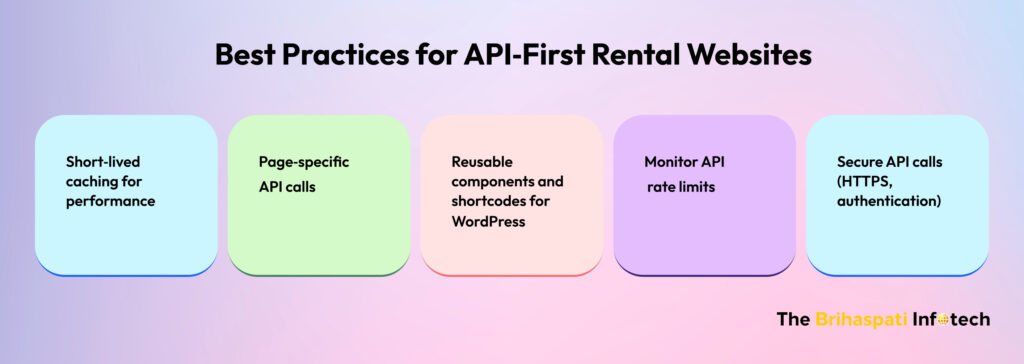
Short‑lived caching for performance without stale data
- Use caching to reduce server strain and speed up responses.
- Keep cache lifetimes short to avoid outdated listings or pricing.
Page‑specific API calls
- Trigger API requests only for the data needed on each page.
- Prevent unnecessary calls to keep performance lean and responsive.
Secure API calls (HTTPS, authentication)
- Always use HTTPS to protect sensitive booking and payment data.
- Implement authentication tokens or keys to prevent unauthorized access.
Reusable components and shortcodes for WordPress
- Build modular components or shortcodes that can be reused across pages.
- Simplifies development and ensures consistency in how API data is displayed.
Reusable components and shortcodes for WordPress make it easy to scale content‑rich builds. For platforms expanding into content‑driven experiences, see our guide on building a travel vlogging website.
Monitor API rate limits
- Track usage to avoid hitting provider limits during traffic spikes.
- Implement fallback strategies to maintain UX.
Frequently Asked Questions
API first means the API is the single source of truth, ensuring real‑time data delivery without relying on database syncs.
Looking to implement API‑first architecture for your rental platform? Connect with our custom API development company to build scalable, high‑performance solutions tailored to your business.
The investment in building an API First rental platform depends on several factors:
Customization: Advanced booking flows, property filters, or subscription bundles.
Complexity: Features like dynamic pricing, AI‑driven recommendations, or multi‑property dashboards.
Platform Integration: APIs for rentals (e.g., RentalReady), Mapbox for location visualization, and secure payment gateways.
Extra Features: Analytics dashboards, admin tools, or integrations with CRM/ERP systems.
Need a precise quote for your API‑First rental website project? Contact us
The implementation timeline depends on your project scope and complexity:
Customization
Complex Integrations
Architecture Shift
Extra Features
On average, implementing API First architecture for a rental website takes 2 to 3 weeks.
Need a specific timeline for your project? Contact us
Building Scalable Rental Solutions with API First Architecture
Implementing an API First architecture transforms rental websites by eliminating sync delays, ensuring real‑time accuracy, and creating a scalable foundation for growth.
From leaner servers to seamless integrations with WordPress rental plugins and advanced booking flows, the benefits extend across performance, trust, and user experience.
If you’re planning to build or scale a rental or booking platform, explore how custom directory and booking systems are designed for flexibility and growth.
Ready to future‑proof your rental platform? Partner with our API integration developers to design and implement API First solutions tailored to your business needs.
Stay Tuned for Latest Updates
Fill out the form to subscribe to our newsletter