

Eyewear
Brook Eyewear's rise to the top
Brook Eyewear's digital transformation generated tangible results. Our WooCommerce work created a user-friendly interface that piqued curiosity and gave shoppers a reason to keep coming back to the store.

MVP Development Services
We help you validate your product idea, build the essential experience and launch an MVP that gives you real user feedback before further investment.

Jeff Baietto
COO & Co-Founder, InJoy Global

“They always treat our projects as if they’re a part of us, with the same pride and commitment to excellence we have.”
 Verified Review from
Built to validate
We build MVPs for companies testing new products, internal software, SaaS products and marketplaces, with an in-house product team covering strategy, design and development.
150+
In-house product developers
15+
Years building production software for businesses
4.9/5
Client rating across 900+ reviews
AI-native product engineering
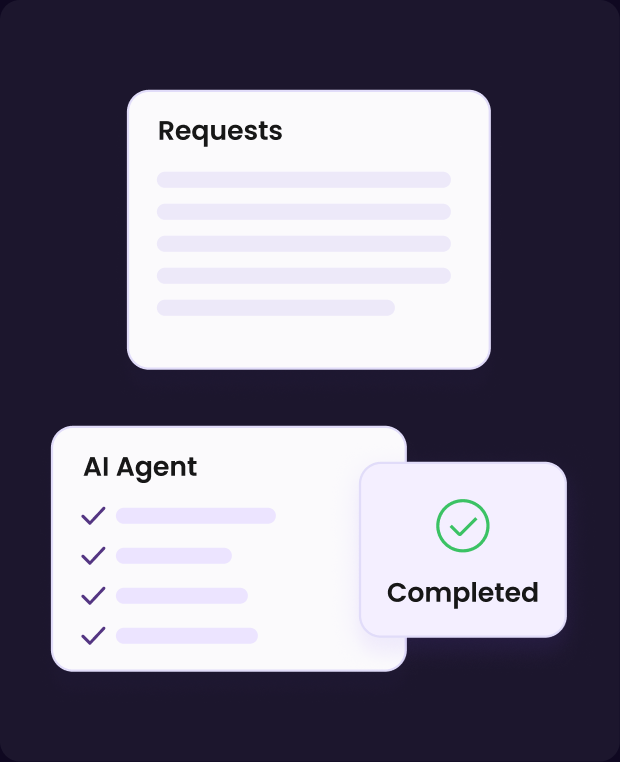
01 / Discovery
We use AI-assisted product engineering to move from early requirements to testable concepts faster, exploring alternative user flows and edge cases before committing engineering time to unvalidated features.
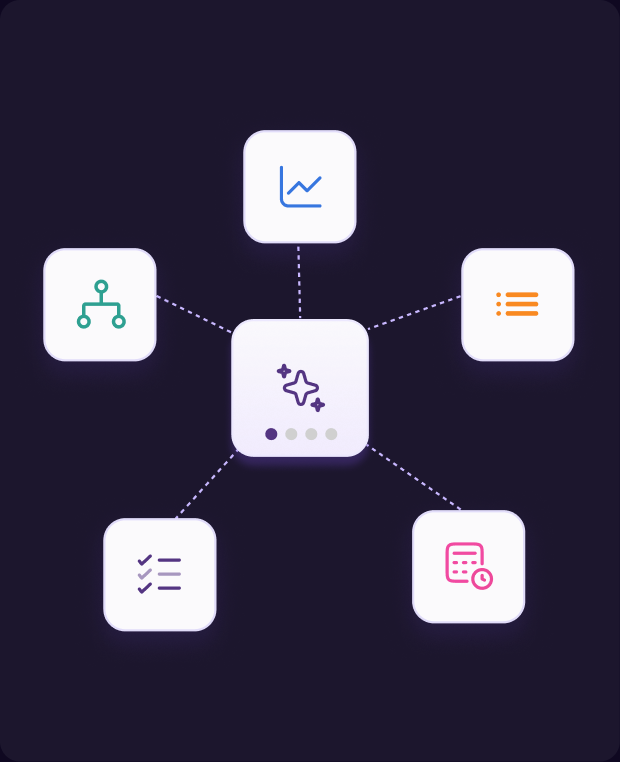
02 / Prototyping
Rapid prototyping turns a product hypothesis into something users can react to sooner. We explore interface variations and workflow logic, then let real feedback shape the first release.
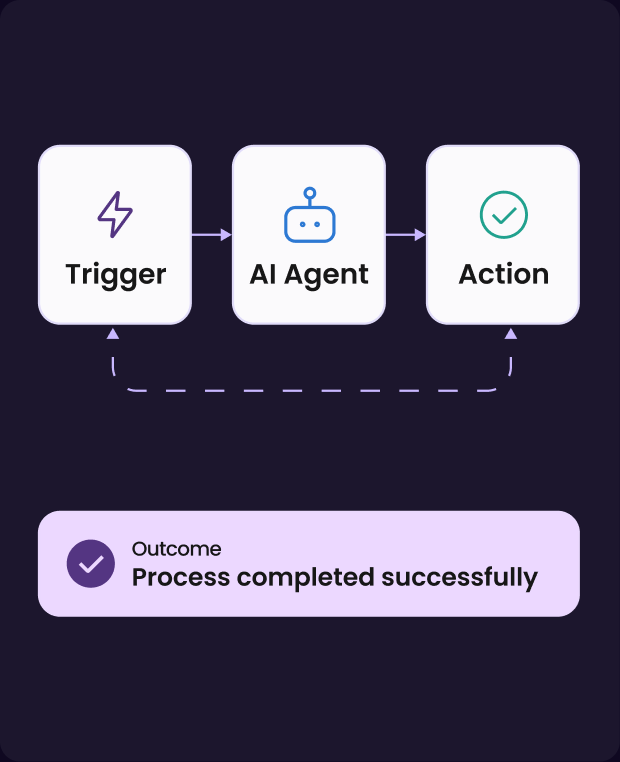
03 / Product
When intelligence is part of the proposition, we scope it into the MVP rather than bolting it on later, provided each feature supports the hypothesis you need to test.
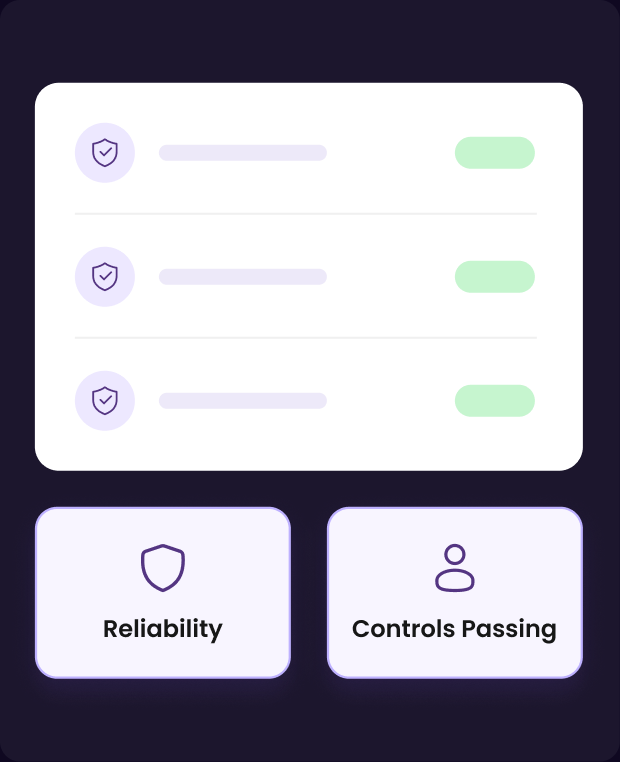
04 / Iteration
An MVP earns its place when behaviour changes the roadmap. We structure the first release so teams can read adoption, feature usage and feedback, then prioritise the next iteration.
Bring us your product idea, target users and essential requirements. We will help you define what needs testing now and what can wait.

MVP development services


Our MVP process
We start with the problem you need to validate, turn it into a testable product experience and then build and launch the smallest release capable of generating useful evidence.
Our work
Eyewear
Brook Eyewear's rise to the top
Brook Eyewear's digital transformation generated tangible results. Our WooCommerce work created a user-friendly interface that piqued curiosity and gave shoppers a reason to keep coming back to the store.

Florist · Canada
Le Bouquet: the game-changing revamp
Le Bouquet's simplified order management accelerated online sales and opened new growth opportunities. A dedicated team of WooCommerce specialists transformed a local Canadian florist into a reliable and growing online store.


Automotive parts
Extreme Performance, the headless hero
Extreme Performance went headless and sales surged. Our headless BigCommerce approach delivered a fast front-end experience with conversion improving alongside it.

Horticulture
Redesigning a bonsai store to expedite conversions
A smart makeover amplified this bonsai store's growth potential. Our BigCommerce specialists reworked the front end, improving user engagement and conversion across the buying journey.

Client feedback
“They always treat our projects
as if they’re a part of us,
with the same pride and commitment
to excellence we have.”

Jeff Baietto — COO & Co-Founder, InJoy Global
After validation
An MVP gives you a starting point for decisions, not a finished product roadmap.
Once real users interact with it, you can see which workflows matter, where performance needs attention and which requested features deserve engineering time.
We continue from that evidence. We can improve performance, expand validated features, connect additional business systems and strengthen the underlying infrastructure as demand grows.
The objective is to preserve what has proved useful while developing the product around observed behaviour rather than the assumptions made before launch.
We improve speed, stability and responsiveness as usage grows and the product faces more demanding real-world conditions.
We develop additional functionality around validated user needs instead of treating the original feature backlog as fixed.
We connect additional business systems and services as the product becomes more deeply embedded in your operations.
We strengthen application, data and hosting architecture when traffic, functionality and operational requirements justify the additional complexity.
Start with the essentials
Share the problem you want to solve and the users you want to serve. We will help you define an MVP scope that can test the idea without building the full product first.
LET’S TALK NOW
Why TBI
We have spent 15+ years building production software, with 150+ in-house developers covering product design, application engineering and integration work. That means your MVP can be designed around the immediate validation goal without ignoring what happens if the idea succeeds.
We work with you from initial scope through launch and subsequent iterations. You get engineering judgement alongside delivery: if a simpler implementation can test the requirement, we will tell you. Once evidence supports expansion, we can continue into performance improvements, new features, integrations and infrastructure work.
15+
Years of software development
150+
In-house developers
Across 900+ reviews
Technology choices
 Web applications
 Mobile applications
 Cross-platform applications
 Server applications
 Component-based interfaces
 Server-rendered applications
 Progressive web applications
 Desktop applications
Web applications
Mobile applications
Cross-platform applications
Server applications
Component-based interfaces
Server-rendered applications
Progressive web applications
Desktop applications
Desktop applications
Web applications
Mobile applications
Cross-platform applications
Server applications
Component-based interfaces
Server-rendered applications
Progressive web applications
Desktop applications
 Relational databases
 Document databases
 Cloud databases
 Search systems
 Caching layers
 Message queues
 Object storage
 Analytics systems
Relational databases
Document databases
Cloud databases
Search systems
Caching layers
Message queues
Object storage
Analytics systems
Analytics systems
Relational databases
Document databases
Cloud databases
Search systems
Caching layers
Message queues
Object storage
Analytics systems
 Cloud infrastructure
 Containerisation
 Continuous delivery
 Automated testing
 Monitoring
 Authentication
 Payment integrations
 Workflow automation
Cloud infrastructure
Containerisation
Continuous delivery
Automated testing
Monitoring
Authentication
Payment integrations
Workflow automation
Workflow automation
Cloud infrastructure
Containerisation
Continuous delivery
Automated testing
Monitoring
Authentication
Payment integrations
Workflow automation
MVP development is the process of building the smallest useful version of a product that can test its core proposition with real users. We focus the first release on essential functionality rather than trying to complete the entire long-term roadmap. Users can then interact with a working product and provide feedback. That gives you evidence about the problem, experience and feature priorities before you commit more time and budget to expansion.
Yes. We build MVPs so successful ideas can continue into larger products rather than treating the first release as disposable. After launch, we can improve performance, expand validated functionality, add integrations and strengthen infrastructure as usage increases. The exact path depends on what your early users demonstrate. We use that evidence to decide what should be retained, changed or developed next instead of automatically building every feature from the original roadmap.
We start by defining the core features required to test your idea, then determine whether a low-code approach can support those workflows effectively. Reusable interface components, workflow builders, integrations and automation can reduce the amount of custom engineering required for suitable products. We then connect essential services, launch the MVP and collect feedback. If the product validates successfully, we can determine whether the existing approach should scale further or whether specific areas now justify custom development.
Most MVPs are scoped around a 4–6 week delivery window, but the actual timeline depends on your feature set, integrations, design requirements and technical complexity. We first identify the assumption the product needs to test and the minimum functionality required to test it credibly. A tightly scoped validation product can move quickly; an MVP involving substantial integrations or complex workflows may need longer. We confirm the delivery plan after reviewing your requirements rather than treating the headline timeframe as a guarantee.
MVP development cost depends on the scope, product complexity, feature set, integrations, design requirements and engineering approach. We therefore quote against the product you actually need to validate rather than applying a single package price to every MVP. Defining the smallest credible release is an important part of that process: functionality that does not contribute to the initial hypothesis can often be deferred, keeping the first investment focused on obtaining useful evidence from real users.
We choose the technology around the product requirements, expected usage, security needs, integration requirements and likely path after validation. Speed matters for an MVP, but it is not the only consideration. A fast prototype is less useful if successful validation immediately forces unnecessary redevelopment. We therefore balance delivery speed against the level of engineering the product actually needs, using simpler approaches where they fit and custom development where the requirements justify it.
Yes. We can add intelligent functionality to an existing MVP when it supports a clear product requirement. That may include conversational assistance, recommendations, workflow automation or analysis features. We first identify what the capability needs to achieve for the user and what data or system access it requires. This keeps the work focused on a testable product outcome rather than adding AI simply because the technology is available. Existing products do not automatically need to be rebuilt to introduce these capabilities.
Yes. We can continue development after launch as the MVP generates real user behaviour and feedback. That work can include performance improvements, feature expansion, additional integrations and infrastructure changes. We can also address issues discovered through production use. The aim is to make post-launch engineering responsive to what the product is teaching you: validated demand can justify expansion, while low-value ideas can remain outside the roadmap until there is stronger evidence for them.
Yes. We can work alongside your existing product, design or engineering team rather than requiring you to outsource the whole build. Responsibilities can be divided around the capabilities and capacity you already have. For example, your team may own product strategy while ours handles engineering, or both teams can collaborate across design, development and integrations. We agree responsibilities and communication before development begins so ownership remains clear throughout the MVP and subsequent iterations.
Include the functionality required to test your most important product assumption with real users. We normally start with the core user journey, the essential business logic behind it and any integrations required to make that journey credible. Features that do not affect the initial validation question can usually wait. The goal is not to make the first release look like the eventual mature product; it is to collect reliable evidence that helps you decide what the mature product should become.
Related software services
 Custom Software Development
Build software around your business workflows, user requirements and existing systems when an off-the-shelf product does not fit.
SaaS Development
Take a validated subscription product into a larger SaaS application with the workflows and infrastructure needed for continued growth.
Custom Software Development
Build software around your business workflows, user requirements and existing systems when an off-the-shelf product does not fit.
SaaS Development
Take a validated subscription product into a larger SaaS application with the workflows and infrastructure needed for continued growth.

150+ in-house developers
Tell us what you want to validate. We will help you define, build and launch the right first version.
Let’s start discussion